

7 First-Time Buyer Mistakes to Avoid in Pittsburgh (and What to Do Instead)
Buying your first home in Pittsburgh is exciting in the best, slightly chaotic way: new neighborhoods to explore, open houses every weekend, and a thousand small decisions that suddenly feel enormous. The good news is that most first-time stumbles are predictable—and avoidable—once you know what to watch for. Pittsburgh's mix of historic housing stock, hillside streets, and hyper-local neighborhood pricing makes it especially important to plan with intention. Here are seven common mistakes first-time buyers make, plus practical "do this instead" moves that can save you money, stress, and regrets.
Mistake #1: Only browsing online—and not learning neighborhood-by-neighborhood pricing

Scrolling listings can make it feel like you've "seen the market," but Pittsburgh prices can change dramatically from one pocket to the next—even when the homes look similar. A house in a walkable area near parks and universities may move faster and attract more offers than the same square footage a few minutes away. Seasonality matters too; spring competition often feels different than late fall, and certain neighborhoods see more turnover than others.
Do this instead: Pick 3–5 target neighborhoods and track sold prices (not just list prices) for at least a few weeks. Pay attention to days on market, how often homes sell over asking, and what features are driving bids (updated kitchens, off-street parking, finished basements, etc.). If you're working with a local team like Realty Connect, ask for a quick "micro-market" snapshot so you're not guessing what's normal block-to-block.
Mistake #2: Skipping the pre-approval step (or treating it like a formality)
In competitive situations, sellers want confidence. A pre-approval isn't just a letter—it's leverage. Without it, you may fall in love with a home, only to learn later that the payment (or required down payment) isn't what you expected. Even worse, you could lose time while another buyer submits a clean, ready-to-go offer.
Do this instead: Get fully pre-approved early, and ask your lender to run scenarios: different down payment amounts, rate changes, and mortgage insurance options. Request a payment estimate that includes taxes and insurance, not just principal and interest. In Allegheny County, taxes can vary by municipality and school district, so a realistic monthly number matters more than a headline purchase price.
Mistake #3: Underestimating Pittsburgh's older housing stock and the cost of "small" repairs
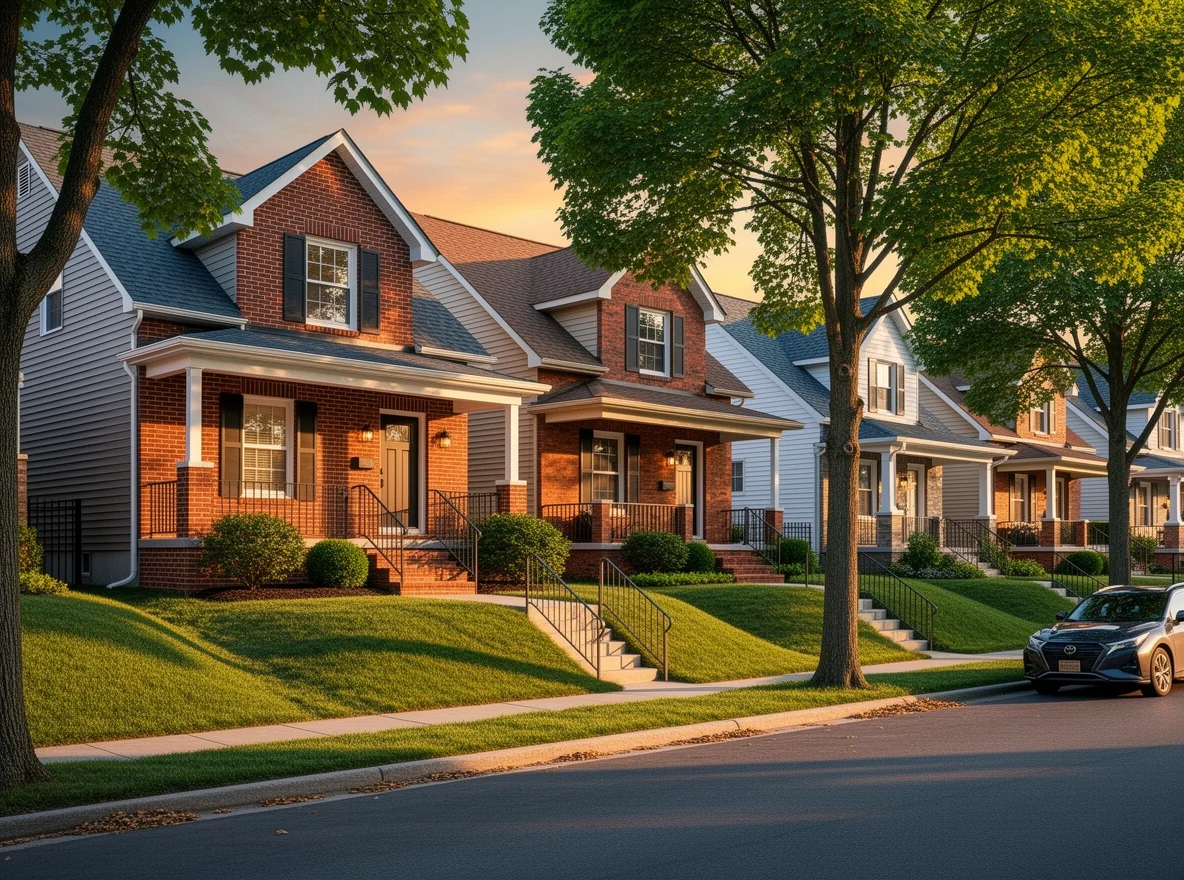
Pittsburgh has incredible character homes—craftsman details, sturdy brick, and layouts you won't find in brand-new builds. But older homes can also hide surprises: aging roofs, knob-and-tube remnants, basement moisture, uneven floors, or older sewer lines. Even "minor" items add up quickly if you're also buying furniture, paying closing costs, and trying to build an emergency fund.
Do this instead: Treat your inspection as a planning tool, not a pass/fail moment. Ask your inspector for the big-ticket timeline: roof life, HVAC age, electrical panel capacity, and water management. Then prioritize. A home with cosmetic flaws can be a win if the systems are solid. If you're considering a property on a hillside (common here), pay extra attention to grading, retaining walls, and drainage patterns after heavy rain.
Mistake #4: Falling in love with the list price and ignoring the total monthly cost
Two homes at the same price can have wildly different monthly payments depending on taxes, insurance, HOA fees, and mortgage insurance. Add utilities—especially in older, draftier homes—and your budget can feel tight fast. First-time buyers often focus on "Can I buy it?" instead of "Can I live comfortably with it?"
Do this instead: Build a full monthly budget before you write offers. Include estimated utilities, maintenance savings (many homeowners aim for 1% of the home's value per year), and any lifestyle costs like parking, commuting, or childcare. If you're moving into the city from outside the region, factor in Pittsburgh realities like winter heating costs and the convenience premium of being closer to the places you visit most.
Mistake #5: Not planning for offer strategy—especially in multiple-offer situations

First-time buyers often assume the "best" offer is simply the highest price. In reality, sellers weigh terms: financing strength, appraisal gaps, contingencies, and timeline. If you're unprepared, it's easy to either overreact (and overpay) or under-offer repeatedly and burn out.
Do this instead: Decide your boundaries before you find the "one." What's your true max payment? How much cash can you allocate after closing? Are you comfortable covering a potential appraisal gap? A team-based brokerage can be especially helpful here—one agent can focus on comps and strategy while another keeps you moving quickly on showings and paperwork. The goal is a strong offer that still protects you, not a rushed gamble.
Mistake #6: Waiving protections without understanding the risk
In a hot market, you may hear advice like "waive inspection" or "waive appraisal" to compete. Sometimes buyers do choose limited contingencies, but it should never be a reflex. Pittsburgh homes can be wonderfully solid—and also full of century-old quirks. If you remove safeguards blindly, you could inherit costly issues or find yourself scrambling if the appraisal comes in low.
Do this instead: Use smart, informed protections. Options include a shorter inspection window, an informational inspection (where allowed/appropriate), or focusing inspection negotiations on major safety and systems. Talk through scenarios with your agent and lender so you understand exactly what you're signing up for. Being competitive doesn't have to mean being exposed.
Mistake #7: Forgetting the "life after closing" plan
It's easy to treat closing day like the finish line. But your first year of homeownership is where the learning curve really happens: maintenance schedules, seasonal upkeep, and making the home fit your routines. In Pittsburgh, that might mean planning for winter weather, managing gutters and downspouts, or budgeting for a future kitchen update rather than trying to do everything immediately.
Do this instead: Create a simple 12-month home plan. Break projects into "must-do," "nice-to-do," and "later." Keep a small reserve for the inevitable surprises—appliances don't care that you just moved. And if you're new to the area, explore what makes Pittsburgh feel like home: neighborhood parks, riverfront trails, game days, community events, and the kind of local pride you can't quite understand until you live here.
Bringing it all together
Your first home purchase doesn't need to be perfect—it needs to be well-decided. When you avoid the common mistakes (and replace them with a clear budget, neighborhood knowledge, and a thoughtful offer strategy), the whole process becomes less intimidating and far more empowering. If you want a local, broker-owner-led team that's focused on Pittsburgh and built for hands-on guidance, Realty Connect can help you move from "just looking" to confidently owning the right home for your life.