

Robinson Township Home Values: What Moves Prices Up or Down?
Price changes in a neighborhood rarely come from one "big thing"—they're usually the result of several forces tugging in the same direction. In Robinson Township, the mix is especially interesting because you get suburban comfort, strong commuter access to Pittsburgh, and a wide range of home styles that attract different kinds of buyers. If you're planning to sell, buy, or simply track your equity, it helps to know what actually shifts value here. Below is a clear, local-first breakdown of what tends to push prices higher (and what can drag them down).
Location advantages that consistently support demand
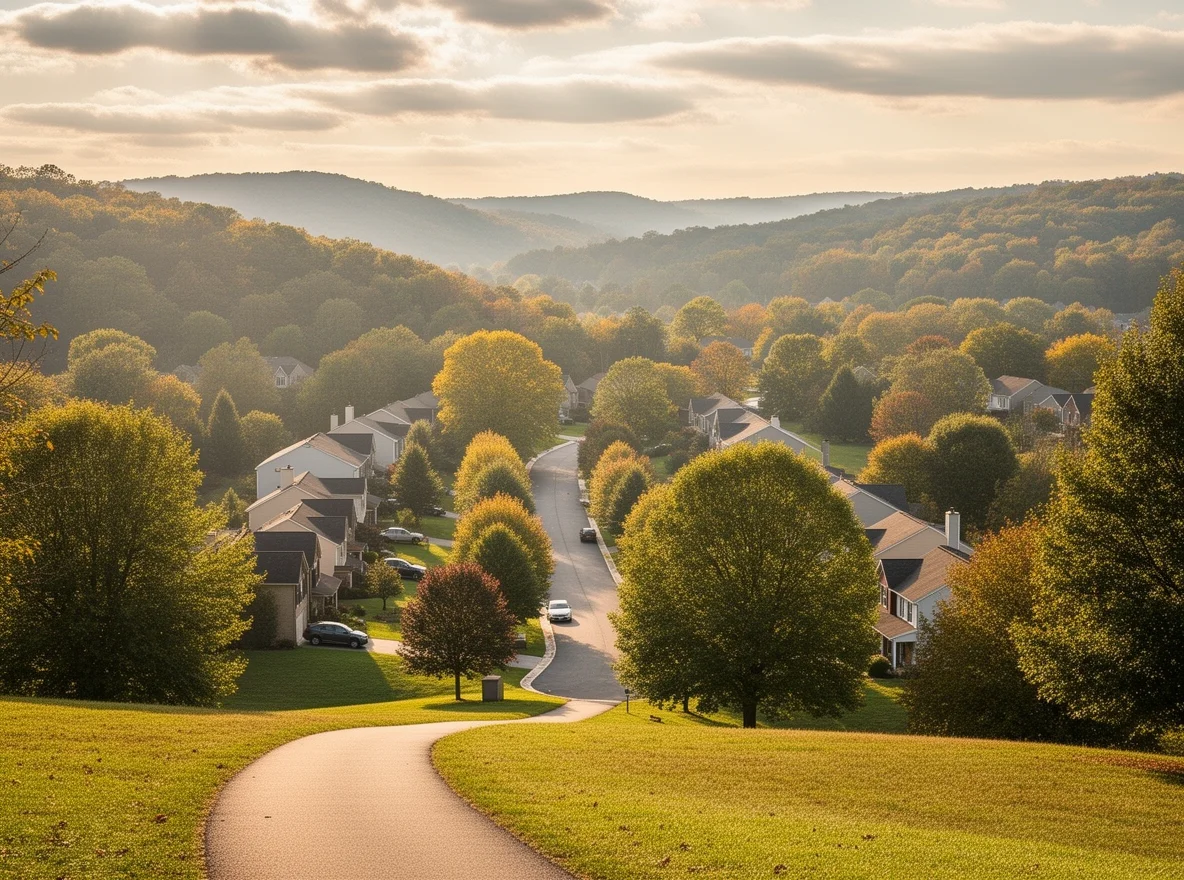
Commute convenience is one of the strongest value anchors in Robinson Township. Easy connections to major routes and job centers tend to widen the buyer pool, which can translate into stronger offers and faster sales. Homes that make day-to-day life feel simpler—shorter drive times, straightforward access to the airport corridor, and less "mental friction" to get where you need to go—often hold value well even when the broader market cools.
Everyday amenities matter too, but not in a vague way. Buyers pay for the ability to run errands quickly, keep kids' schedules manageable, and enjoy weekend routines without a long drive. In practical terms, properties that feel "close to everything" without being on top of heavy traffic often perform better than similar homes that require more driving for the same lifestyle.
Neighborhood feel is another quiet driver: streets with sidewalks, mature trees, and a sense of consistency tend to show better in photos and in-person. That emotional response is real value—especially when two homes have comparable square footage but one feels more inviting the moment you pull up.
The property features that push prices up
In Robinson Township, buyers frequently reward homes that reduce immediate to-do lists. Move-in-ready condition—clean, updated, and well maintained—can create competition, while homes that feel dated often trigger lower offers that "bake in" renovation risk. The strongest appreciation tends to show up when updates are both visible and practical: kitchens and baths that feel current, fresh paint in neutral tones, and flooring that looks cohesive from room to room.
Layout and livability can matter as much as finishes. A flexible main level (space to gather, space to work, and good flow) is a major plus. Buyers often pay more for usable square footage rather than just total square footage—finished basements, bonus rooms, and smart storage can separate a top-of-market sale from an average one.
Energy and mechanical updates are also increasingly valued. A newer roof, modern HVAC, updated windows, and solid insulation reduce uncertainty. Even when buyers can't "see" those upgrades in listing photos, they tend to influence inspection negotiations and appraisal confidence.
Curbs, lots, and the details appraisers notice
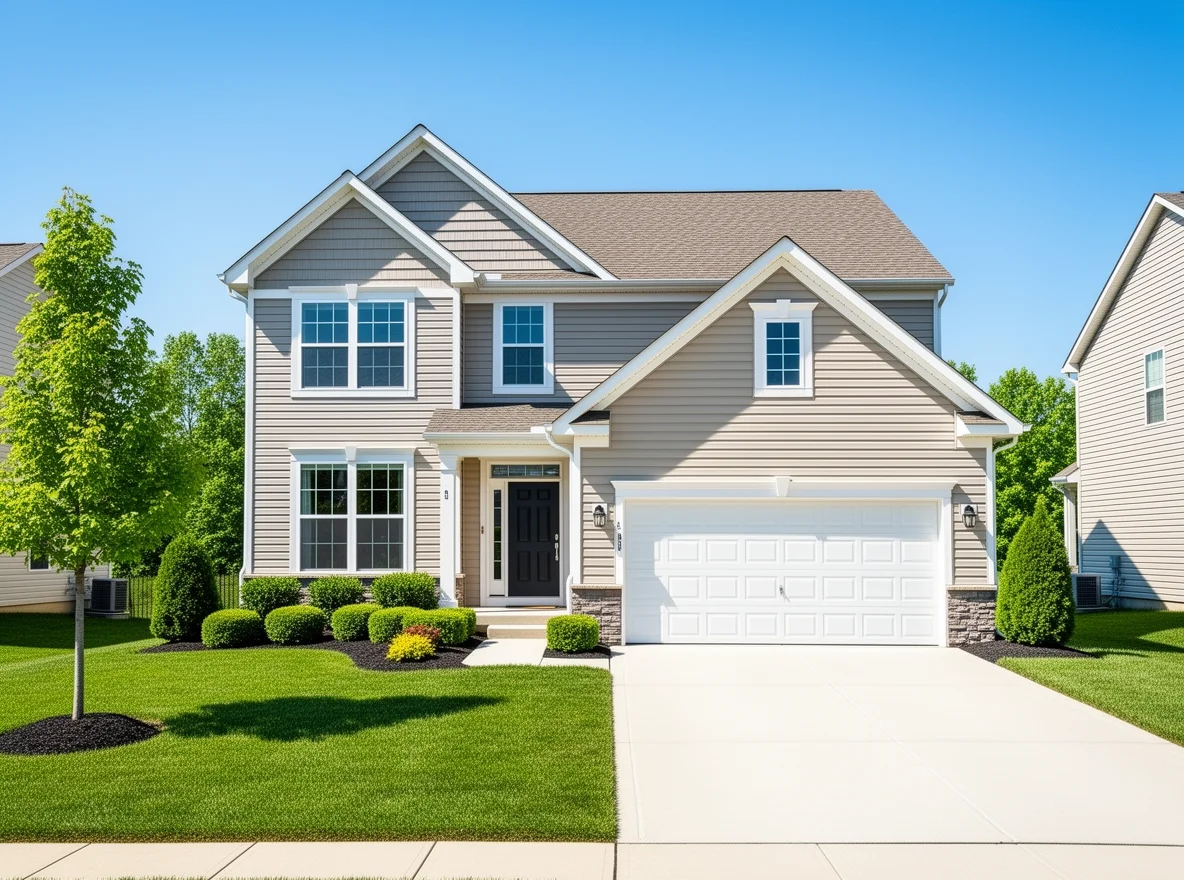
Curb appeal is more than a first impression—it can influence how buyers interpret everything they see afterward. A neat entry, trimmed landscaping, and a well-cared-for façade suggest responsible ownership, which reduces perceived risk. That perception can show up as cleaner offers, fewer repair requests, and better odds of multiple interested buyers.
Lot usability plays a role too. Many buyers in this area want outdoor space that's easy to enjoy: a manageable yard, room for a patio, or a gentle slope that doesn't limit use. A lot that feels private and practical can add value even if it isn't large. On the flip side, challenging topography, drainage issues, or a backyard that's hard to access can narrow demand and soften pricing.
Parking and garages are another measurable factor. A convenient driveway, a garage that fits modern vehicles, and easy winter access can separate a home from comparable options—especially for buyers who prioritize storage, hobbies, or simple daily logistics.
What pulls values down (or slows appreciation)
Some value drags are obvious, like deferred maintenance. Others are subtler and show up during the showing and inspection phases. Functional obsolescence—layouts that feel chopped up, limited closet space, low ceilings in key areas, or awkward bedroom access—can reduce what buyers are willing to pay, even if the home is "nice." Similarly, over-customization can backfire: highly specific design choices may shrink the buyer pool, which often leads to longer days on market and more negotiation.
Traffic noise and proximity factors can also influence price more than sellers expect. Even within the same general area, a home located on a quieter street can command a premium over an otherwise similar property that feels exposed to heavier road activity. The same is true for lots with limited privacy, challenging sightlines, or nearby commercial bustle—buyers may still purchase, but they typically want the price to reflect the trade-off.
Pricing strategy itself can become a value drag. If a home launches too high and then chases the market with reductions, buyers start to wonder what's wrong, and the listing can lose momentum. A well-positioned price that matches current comparable sales tends to create urgency and protect the final sale price better than an optimistic "test the market" approach.
Market conditions unique to a Pittsburgh-area suburb
Robinson Township values are also influenced by forces beyond a single property. Interest rates change purchasing power quickly; even motivated buyers can become more selective when monthly payments jump. Inventory levels matter as well: when there are fewer homes available, well-presented listings can earn stronger terms. When choices expand, buyers compare more aggressively and value differences between "updated" and "not updated" get wider.
School considerations, recreation, and community routines often shape demand, too. Access to parks, trails, youth sports, and easy weekend activities can elevate a neighborhood's desirability over time. Buyers don't just purchase a house; they buy into how daily life will feel—morning commutes, after-school logistics, and the ability to unwind without a complicated plan.
How to use this insight if you're buying or selling
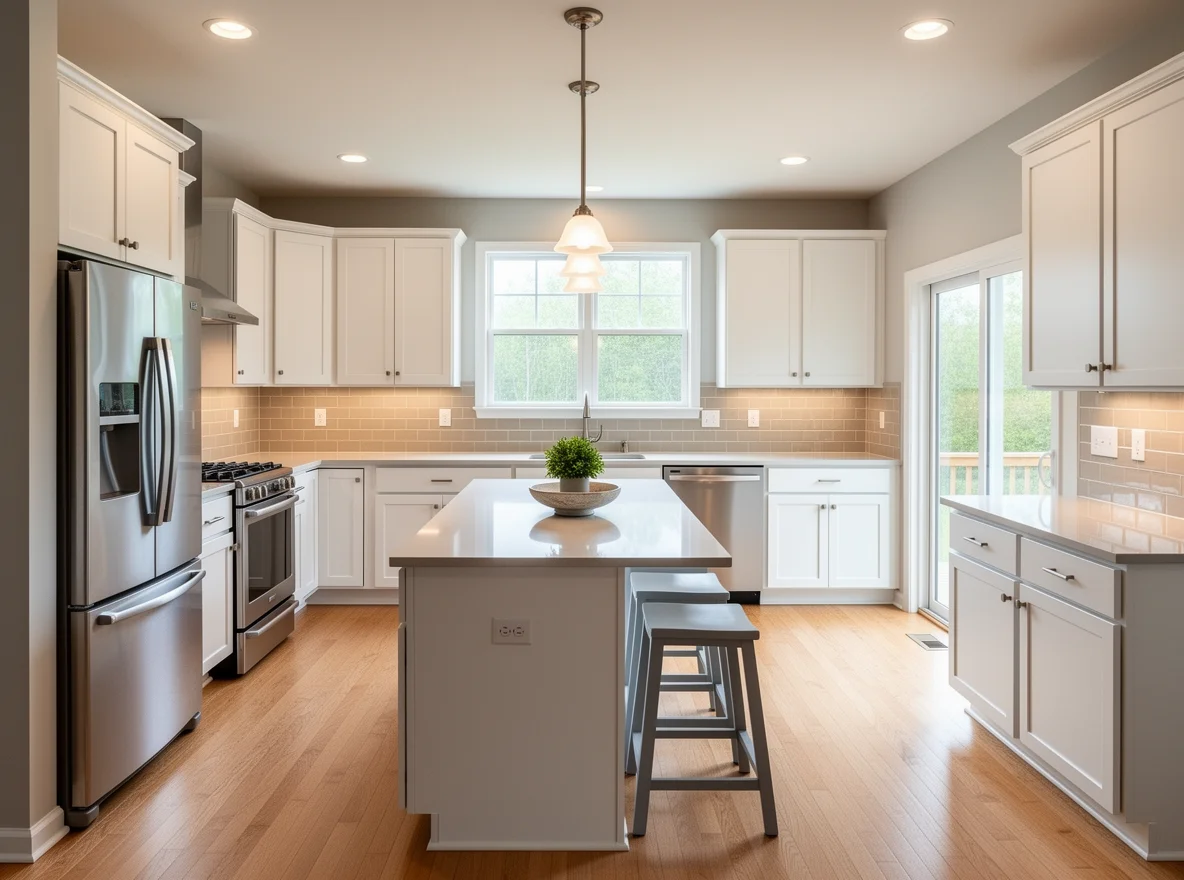
If you're selling, focus first on the items that protect value: repair what's visibly worn, refresh paint and lighting, and make the home feel easy to move into. Next, prioritize improvements that buyers consistently pay for—kitchen and bath touch-ups, clean flooring, and curb appeal. If a major renovation isn't in the cards, strategic updates and strong presentation can still narrow the gap with more updated competitors.
If you're buying, look past the surface and evaluate the "expensive bones": roof age, HVAC condition, windows, drainage, and the layout's long-term flexibility. Cosmetic fixes are often manageable; functional limitations or big mechanical surprises are where budgets and timelines get strained. In a competitive situation, it's also smart to compare the home to true local comps rather than a broader zip-code average, since street-to-street differences can be meaningful.
At Realty Connect, our team-based approach is designed for exactly this kind of nuance: pairing data (comparable sales, inventory trends, and appraisal realities) with on-the-ground context (street-level demand, buyer expectations, and the small details that change outcomes). Whether you want a pricing plan that attracts strong offers or a buying strategy that protects your resale value, the key is understanding what truly moves Robinson Township home prices—then acting on it with clarity.